
Myopia Management in Surrey
Children’s prescriptions can change quickly as they grow, especially during school years and increased screen use. Myopia management focuses on monitoring those changes early and helping slow the progression of nearsightedness over time.

Nearsightedness Often Changes Gradually Over Time
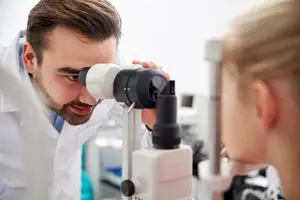
Myopia, or nearsightedness, usually develops during childhood and can continue progressing as children grow. Many parents first notice signs such as sitting closer to screens, difficulty seeing distances clearly, or prescriptions becoming stronger year after year.
Regular monitoring helps track how quickly vision is changing and allows treatment options to be adjusted over time based on your child’s needs.
Why Early Management Matters
As myopia progresses, prescriptions can continue increasing throughout childhood and adolescence. Managing those changes earlier may help reduce how quickly prescriptions worsen over time.
The goal of myopia management is not just clearer vision today. It is helping support long-term eye health as children continue growing and developing.
Soft Contact Lenses for Myopia Management
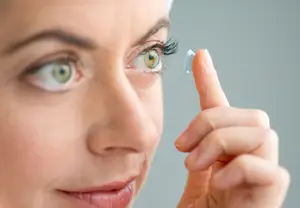
Soft contact lenses may be recommended for some children and teens as part of a myopia management plan.
For many patients, these lenses provide clear vision while also helping manage how quickly nearsightedness progresses over time. Comfort, fit, and ease of wear are monitored carefully throughout the process to make sure the lenses remain manageable for everyday use.

Low-Dose Atropine Therapy
Low-dose atropine eye drops may be recommended for children whose prescriptions are changing more rapidly.
Atropine therapy is used as part of a long-term management approach to help slow myopia progression over time. Recommendations are based on your child’s prescription history, age, and how quickly changes are occurring.
Ongoing follow-up appointments help monitor how the eyes respond over time.
MiyoSmart Glasses for Myopia Management
MiyoSmart lenses are specially designed glasses lenses used to help manage nearsightedness progression in children.
For children who are more comfortable wearing glasses than contact lenses, MiyoSmart provides a glasses-based option that supports clear everyday vision while helping monitor prescription changes over time.

Stellest Lenses for Children and Teens
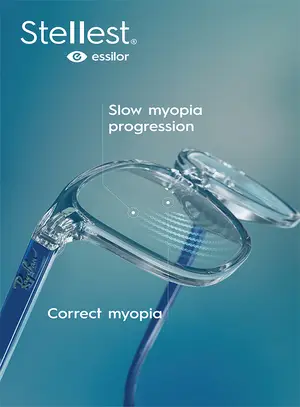
Stellest lenses are another glasses-based option used in myopia management for children experiencing progressive nearsightedness.
These lenses are designed to support clear daily vision while helping reduce how quickly prescriptions become stronger over time. Recommendations are based on your child’s prescription changes, visual needs, and long-term monitoring.
Start Monitoring Changes Earlier
Children often adapt to gradual vision changes without realizing how much their eyesight has shifted over time. Regular monitoring and early management can help support clearer, more stable vision as your child grows.